01
79%
want exercise & nutrition
Move, Nourish & Know Your Numbers
Nutrition, accessible movement, weight, screenings, diabetes and heart health — the priorities four out of five respondents named first.

Community Survey Report
127 community respondents. A clear and hopeful request: help us care for the body, steady the mind and grow the spirit — together, and in ways that fit real life.
127
respondents
18
questions
78%
have a care need
63%
are 55+
The headline
127 adults in a faith-based community answered 18 questions about their health, habits and hopes. Because many questions allowed multiple answers, percentages can total more than 100%.
Read together, the answers form one clear sentence: the community wants wellness that is spiritual, practical and easy to reach. People are not asking for a lecture series. They are asking for help building habits that last, for a safe place to talk about stress and grief, for Scripture that speaks to their health, and for someone to walk beside them as they age.
What it means
Begin with a monthly hybrid wellness program, then layer on screenings, fitness activities, resource navigation, prayer support and topic-specific workshops.
Top interest in each dimension
Care for the body
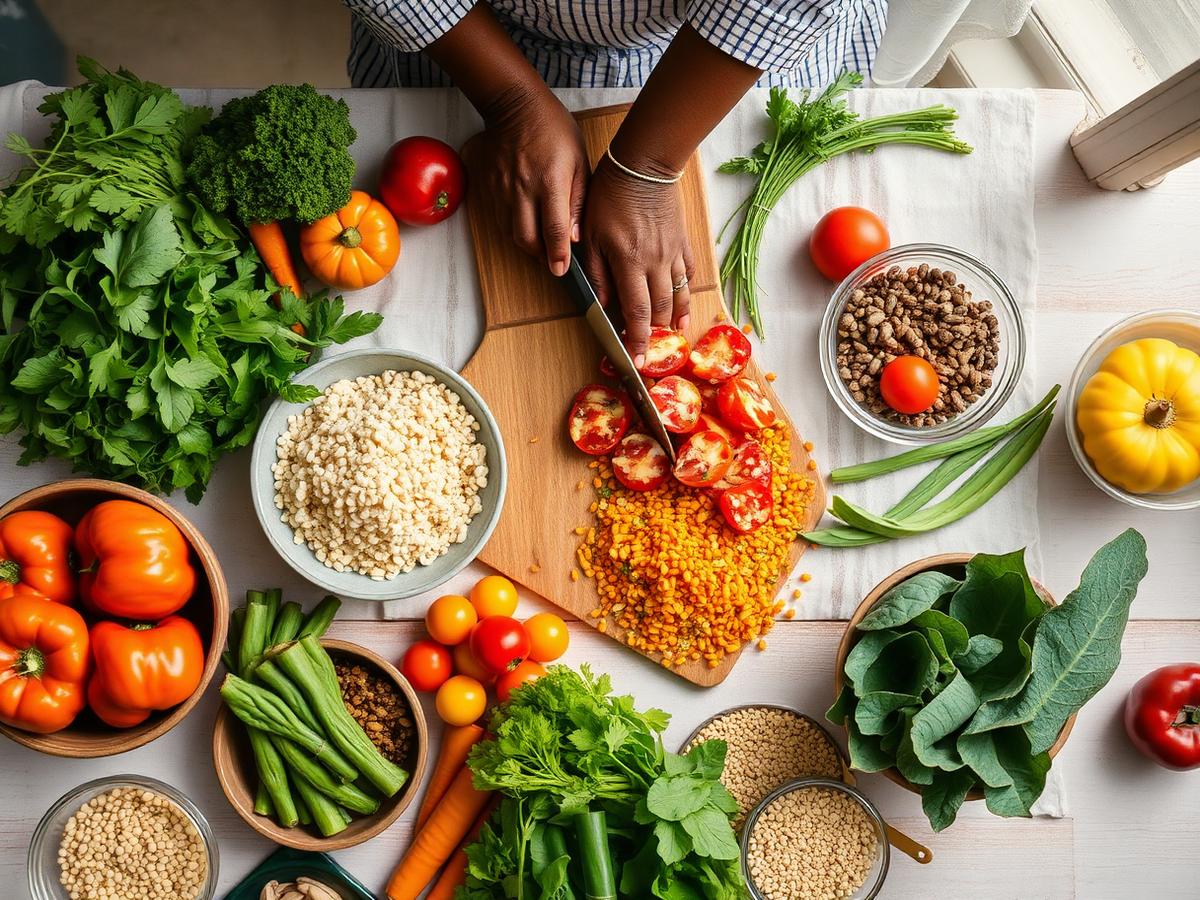
Asked in their own words what they hoped for, 124 people answered. Weight, food and movement led — but rarely alone. Most responses braided physical, emotional and spiritual concerns together.
124 respondents
126 respondents
What it means
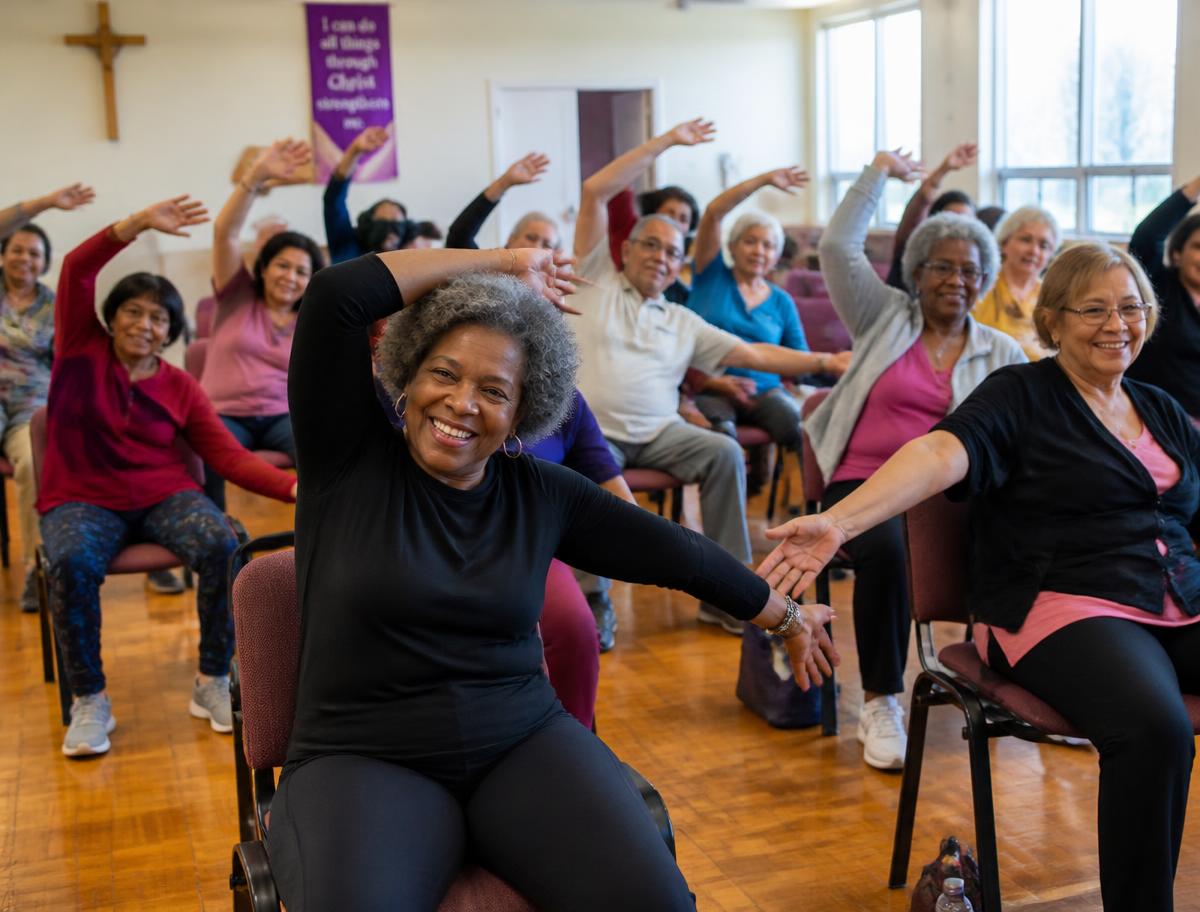
Nearly four in five want accessible movement and better nutrition. A physical program should lead with easy exercise options, everyday healthy eating, weight support, sleep, heart health and plain-language teaching on chronic-disease risk.
52
named weight or nutrition as their goal
49%
want help with blood pressure
46%
want to sleep better
Care for the mind
120 respondents answered about emotional wellness. Two-thirds named stress. Beneath it sat worry, loneliness, grief and the wish to think clearly again.
120 respondents
What it means
The breadth of these answers calls for practical coping education, relationship and communication resources, grief support, trustworthy mental-health referrals — and conversations that feel emotionally safe inside a faith setting.
125 respondents
98 people — 78% — said they have a need now or expect one soon.
That single number reshapes the ministry: alongside classes and events, VCC needs a confidential care and referral pathway. The survey pointed to what that should include — prayer support, a caregiver group, workshops, community-resource information and help navigating healthcare.
Care for the spirit
126 respondents answered about spiritual well-being, and the message was unmistakable: health teaching belongs inside Scripture, prayer and purpose — not beside them.
126 respondents
119 respondents
What it means
Bible-based teaching and spiritual encouragement are the foundation. There is also real interest in reconciliation, biblical stewardship and healing from past hurt in faith settings — tender subjects that deserve careful, pastoral handling.
44%
specifically want faith and wellness connected
38%
seek forgiveness and healing from past hurts

What to offer
Respondents want lasting change, not a one-time health fair. Their preferred topics cluster neatly into four teaching tracks, and their requested services mix education, screenings, activity and prayer.
126 respondents
126 respondents
119 respondents
What it means
No single format wins. People want a blend: practical activities, simple screenings, health education, resource navigation, personal development and prayer — offered consistently and without cost barriers.
How to gather
Respondents told us plainly how participation actually works in their lives: online first, brief, and anchored to a predictable rhythm.
113 respondents
117 respondents
120 respondents
112 respondents
What it means
Build a monthly anchor gathering — hybrid and about 30 minutes — rotating between Saturday morning, Sunday after service and a weekday evening, with recordings for everyone else.
Remove the barriers first
Half of respondents anticipate no obstacles. The other half named real ones: Zoom coaching (30%), transportation information (21%), childcare details (19%) and accessibility accommodations (19%). Plan for these from day one rather than retrofitting later.
Who we are & who will serve
Nearly two-thirds of respondents are 55 or older, and more than half expressed some openness to serving. The gifts they offer are both relational and professional.
122 respondents
96 respondents
61 respondents (52%) said yes, maybe, or asked to learn more about serving — 19 an outright yes. Offer low-pressure, clearly defined ways to begin.
Of 69 answers, 22 named an organization or professional — IEHP, Western University of Health Sciences, county public health, NCNW chapters, YWCA Covina, the American Cancer Society, Kaiser and AARP. Verify each before outreach.
16 people (14%) asked for private follow-up, and 57 left a comment or prayer request — healing, cancer, dementia, grief, caregiving, housing and gratitude. Respond promptly and discreetly.
69 respondents
Recommended structure
79%
want exercise & nutrition
Nutrition, accessible movement, weight, screenings, diabetes and heart health — the priorities four out of five respondents named first.
66%
named stress management
Stress, anxiety, grief, communication and mental-health referrals, held inside emotionally safe, faith-filled conversation.
64%
seek spiritual maturity
Bible study, purpose, spiritual maturity, prayer, forgiveness and healing — health teaching that is never separated from faith.
63%
are 55 or older
Mobility, fall prevention, caregiving, Medicare, dementia education and help navigating healthcare and senior resources.
One dependable gathering respondents can plan around.
Roughly 30 minutes, recorded, easy to join from home.
Screenings, fitness and fellowship on Saturday mornings, Sundays after worship or weekday evenings.
For health fair partners
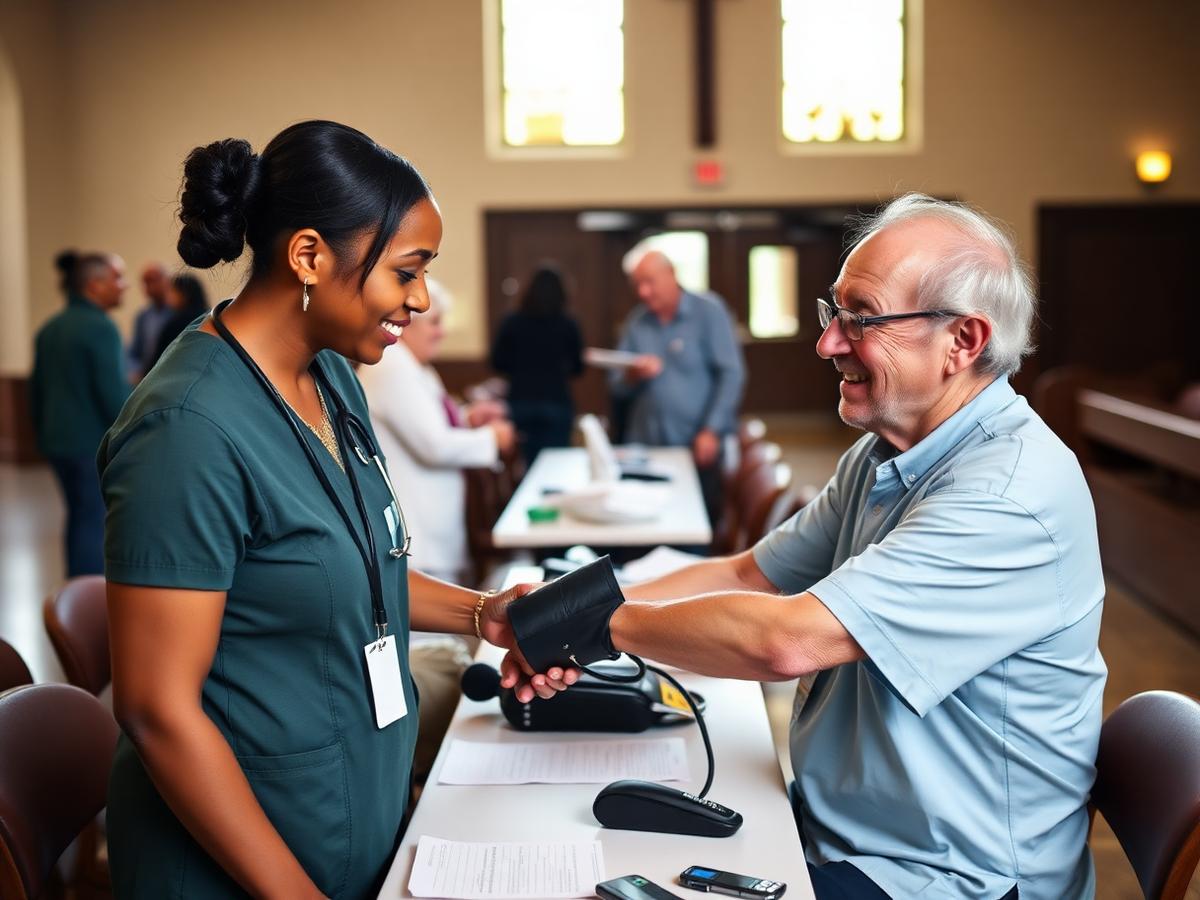
These findings describe an engaged, faith-based community that has already told us what it needs. For hospitals, health centers and insurance providers, that means a health fair audience that arrives pre-qualified, trusting and ready to act.
78%
report at least one health need a sponsor can address
63%
are 55+ — the Medicare and chronic-care window
127
respondents already surveyed and engaged
52%
are willing to volunteer and help run the day
Respondents asked directly for blood pressure, blood sugar, cholesterol and vision checks, plus help understanding results. A sponsor booth is not a hopeful guess here — it answers a stated request.
Weight management, diabetes and heart health, healthy aging and caregiving dominate the responses — the same conditions that drive avoidable admissions and total cost of care.
Respondents named insurance, Medicare and appointment navigation as real barriers. Plan representatives and care-navigation teams meet a felt need rather than a sales pitch.
Top requested needs
What it means
A health fair built on this data is not an outreach experiment. It is a response to a documented request from 127 people who have already said they will show up.
Appendix A
Full respondent detail behind the findings. Percentages are of those answering each question; multi-select questions total more than 100%.
122 respondents · single answer
122 respondents
| Age band | Respondents | Share |
|---|---|---|
| 18–24 | 1 | 1% |
| 25–34 | 7 | 6% |
| 35–44 | 15 | 12% |
| 45–54 | 17 | 14% |
| 55–64 | 28 | 23% |
| 65–74 | 39 | 32% |
| 75–84 | 3 | 3% |
| 85+ | 7 | 6% |
| Total answering | 122 | 100% |
How respondents want to take part — the format they prefer, when they can attend, how often, and the support that would make attendance possible.
117 respondents · multi-select
113 respondents · multi-select
120 respondents · single answer
112 respondents · multi-select
Appendix B
A short reference for the wellness and survey language used throughout this report.